PRODUCT CENTER
CONTACT US
If you are interested in cooperation, please contact us immediately, we will give you feedback as soon as possible!
Mobile
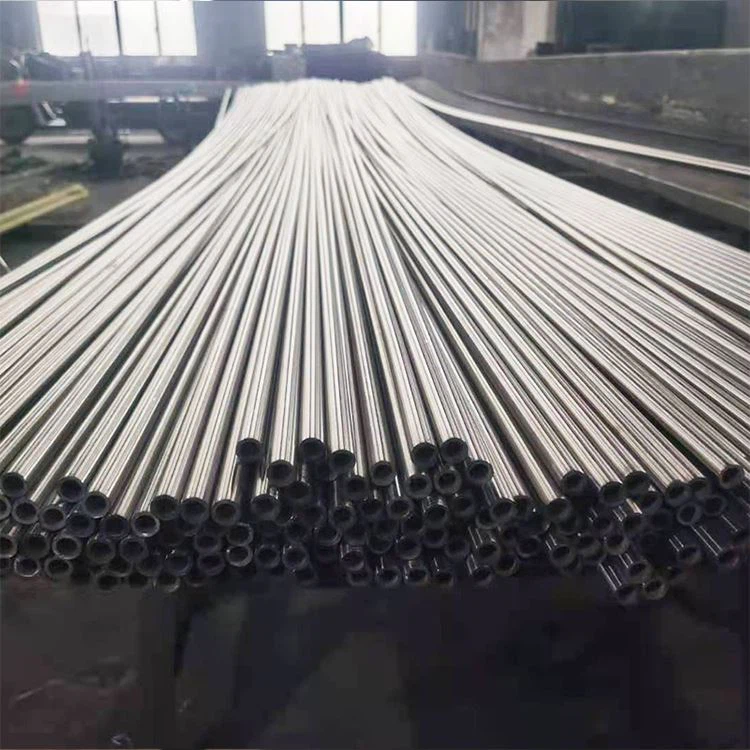
405 stainless steel is an austenitic stainless steel material preferred for its excellent corrosion resistance and good mechanical properties. It is widely seen in fields including in marine engineering, petrochemical industry, food processing.
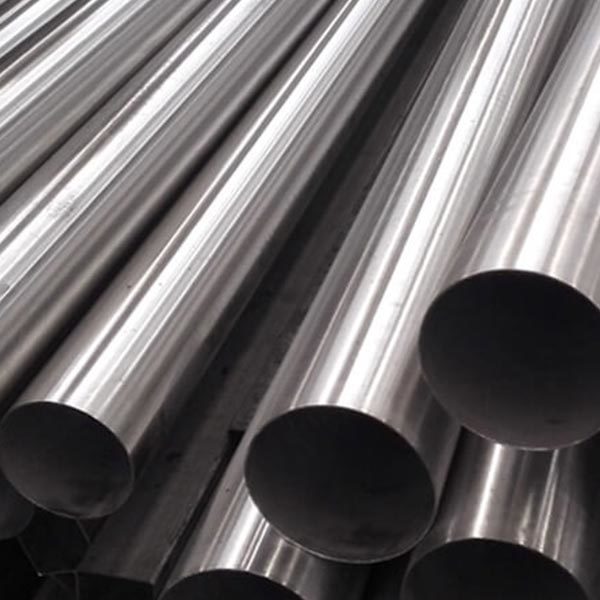
409 stainless steel is a ferritic steel recognized for its good mechanical properties and corrosion resistance. It contains 11% chromium, which is the minimum amount required to form the passive surface film that makes stainless steel corrosion-resistant.
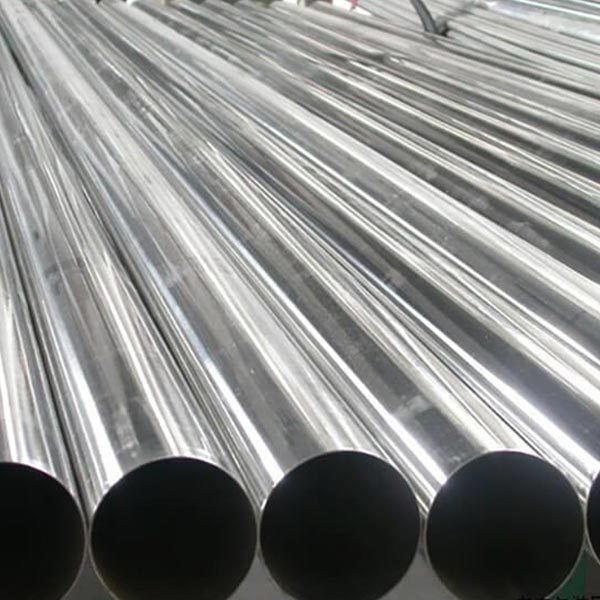
410 stainless steel is a commonly used martensitic stainless steel whose main components are iron, carbon, chromium and a small amount of other elements.
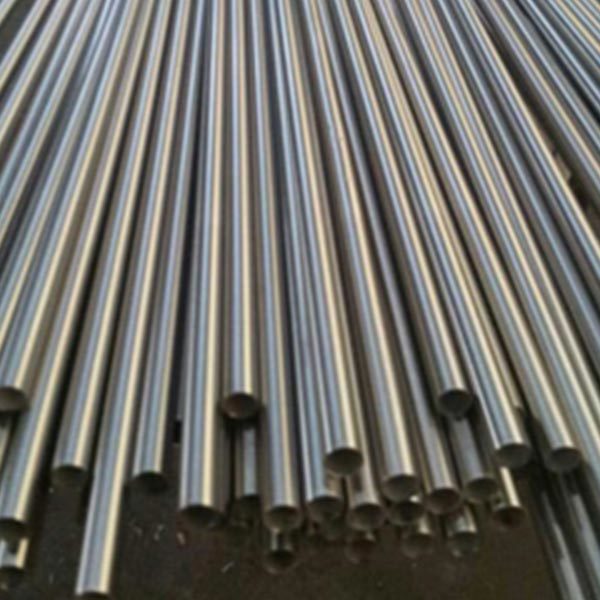
420 stainless steel is a high-carbon stainless steel, mainly composed of chromium, carbon and molybdenum, with good corrosion resistance and strength.
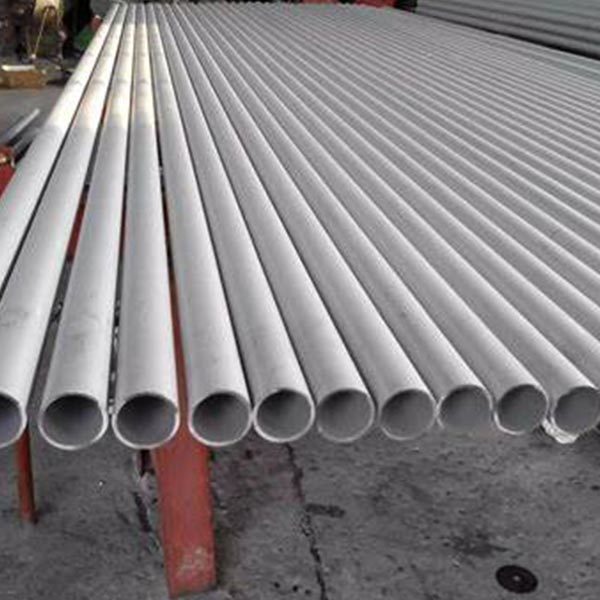
439 stainless steel is a ferritic stainless steel with 17-20% of chromium and low carbon content. This combination gives it excellent corrosion resistance, especially in environments where chloride ions are present.
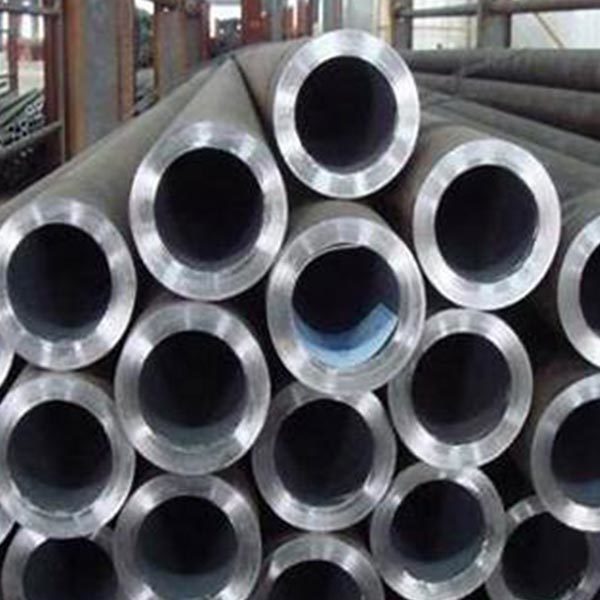
440C stainless steel is a high carbon martensitic stainless steel that has high strength, moderate corrosion resistance, and good hardness and wear resistance. Grade 440C is capable of attaining, the highest strength, hardness and wear resistance of all the stainless alloys after heat treatment.
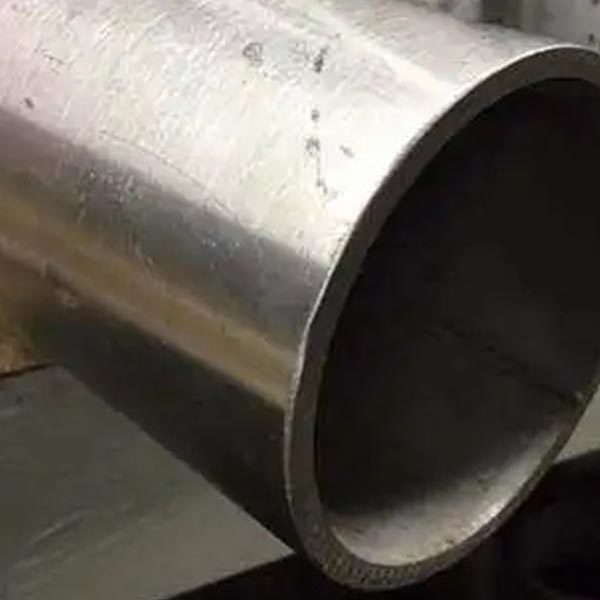
444 stainless steel is mostly popular for its brilliant corrosion resistance and heat resistance just like many other stainless steels. This stainless steel has a wide range of applications and can maintain stable performance in a variety of extreme environments.
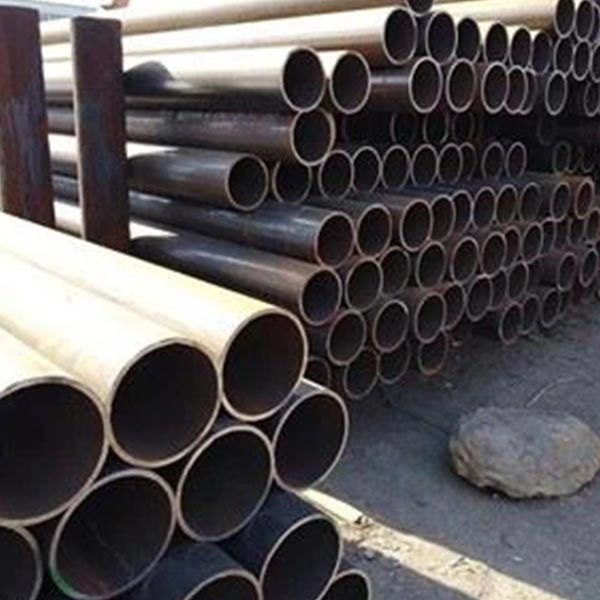
305 stainless steel is a common austenitic stainless steel containing elements such as chromium, nickel, and manganese. Chromium is the main anti-corrosion element that combines with oxygen to form a dense oxide film to protect materials from corrosion. Nickel can improve the material's heat resistance and toughness while reducing its magnetism. Manganese can increase the strength and hardness of materials.
CONTACT US
E-mail : Cowin@sdsilkroadsteel.com
WhatsApp : +8613581707776
Tel : +8613581707776
Address : Liaocheng City, Shandong Province


GET A FREE QUOTE
Copyright : Shandong Silk Road Steel Co., Ltd. Power By : 300.cn Jinan2 SEO BUSINESS LICENSE